
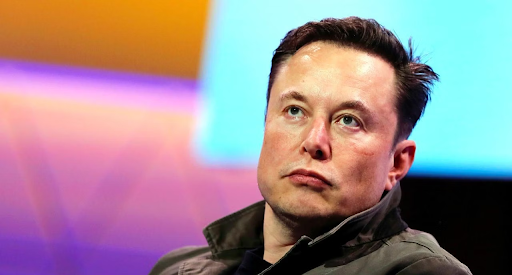
Tesla’s new pay package for Elon Musk can be interpreted as a friendly but firm ultimatum: deliver the futuristic vision you have been promising for years, or receive no compensation for the effort. The all-or-nothing structure of the deal puts immense pressure on Musk to turn his boldest claims into tangible, profitable realities.
For years, Musk has talked about a future filled with self-driving cars operating as a robotaxi fleet and humanoid robots performing manual labor. These promises have been a key part of Tesla’s high valuation, fueling investor belief in the company’s long-term potential. The new pay plan effectively calls his bluff.
The inclusion of milestones like “1 million robotaxis in operation” and “1 million AI bots delivered” are no longer just aspirational goals; they are contractual obligations tied to his pay. Failure to achieve these, alongside the financial targets, means he gets nothing from the award. It is a powerful mechanism to enforce accountability.
This ultimatum from the board serves two purposes. It incentivizes Musk on an unprecedented scale, and it assures shareholders that the company’s valuation will be backed by real, revolutionary products, not just promises. It’s a high-stakes demand for execution that will define Tesla’s legacy—and Musk’s—for the next decade.