
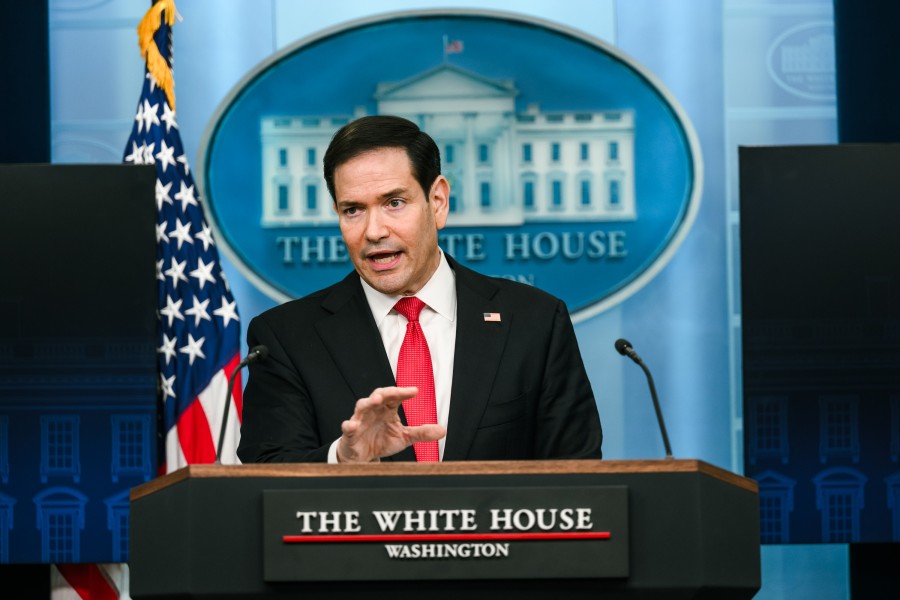
In the midst of ongoing diplomatic efforts, US Secretary of State Marco Rubio has engaged in discussions with Gulf allies concerning a proposed $300 billion Iran reconstruction fund. This initiative is met with apprehension from regional partners who fear it could potentially aid Tehran in bolstering its military strength.
Rubio’s visit to Abu Dhabi marks the beginning of talks centered on a recent agreement designed to resolve the prolonged US-Israel conflict with Iran. Throughout his meetings, Rubio aims to address the lingering concerns about the deal, alongside other unresolved matters, as he confers with Gulf leaders.
The proposed reconstruction fund has stirred significant debate among US allies. The apprehension lies in the possibility of Iran diverting financial assistance towards enhancing its defense systems. Additionally, Gulf nations express unease over the agreement’s failure to tackle Iran’s ballistic missile program, a critical issue for the region.
Security concerns have been heightened among several Gulf countries, such as the United Arab Emirates and Kuwait, following attacks during the conflict. These nations, hosting key US military installations, are advocating for stronger security assurances to thwart potential future threats.
As Washington strives to uphold support for the agreement, Rubio’s diplomatic mission is critical in addressing the criticisms from regional partners and certain lawmakers. Even as Gulf leaders back the efforts to resolve the conflict, they remain vigilant about the conditions of the agreement, seeking clarity and assurance on pivotal security issues.