
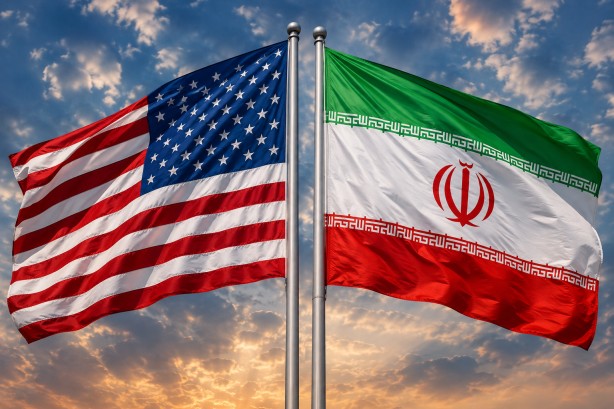
The United States has intensified its military actions against Iran, launching a second wave of airstrikes on several Iranian locations. This escalation follows President Donald Trump’s announcement that the interim agreement efforts between the two nations were no longer viable. Key areas such as Bandar Abbas, Sirik, and the Bushehr province experienced explosions, according to Iranian media. The US military confirmed that these strikes were aimed at destabilizing sites linked to Iran’s capability to threaten maritime security in the vital Strait of Hormuz.
This military response comes on the heels of an incident earlier in the week where three commercial vessels navigating the Strait of Hormuz were attacked, significantly heightening the already tense relations between Washington and Tehran. In conjunction with the military action, the US has also rescinded a temporary sanctions waiver, which had previously allowed Iran to continue exporting oil. President Trump justified the strikes as a direct retaliation to the attacks on commercial shipping, issuing a stern warning that any further provocations from Iran would prompt a more robust US reaction.
In a counter-move, Iran launched missile and drone attacks on US military facilities situated in the Gulf region, including in Bahrain and Kuwait. While Kuwait’s military reported successfully intercepting incoming threats, no significant damage was immediately reported from these assaults. Despite the military pressure, Iranian officials reported that the strikes in Bushehr province did not compromise their nuclear power plant. They further declared that the external pressure and military aggression would not alter Iran’s stance or policy decisions.
The tension in the region has sparked global concern over energy supplies, leading to a sharp increase in oil prices. The Strait of Hormuz, through which a significant portion of the world’s oil supply is transported, is central to these concerns. As investors react to the instability, the situation remains volatile, with potential implications for global energy markets.