
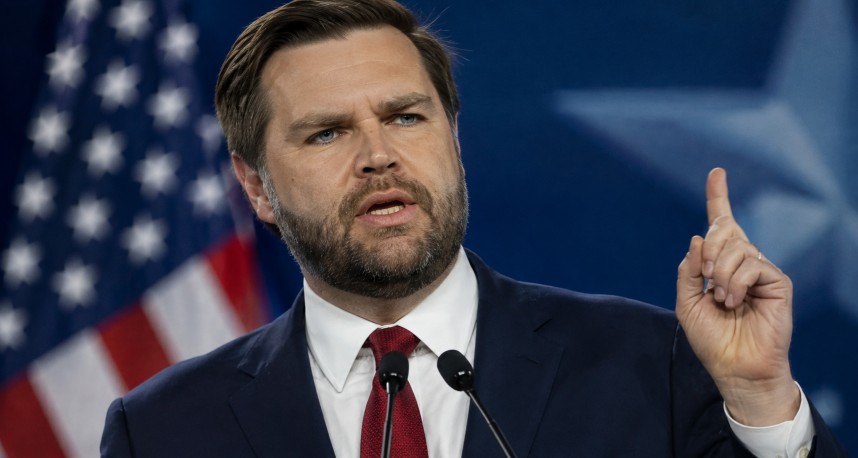
In a recent podcast interview, U.S. Vice President JD Vance raised concerns about alleged attempts by certain members of the Israeli government to sway American public opinion against a U.S.-endorsed agreement designed to conclude hostilities with Iran. Vance suggested that these Israeli officials were keen on prolonging the military conflict and thus sought to influence U.S. political perspectives to oppose the accord.
Vance acknowledged that while numerous nations strive to influence American policy, it becomes problematic when such actions begin to intrude on U.S. decision-making processes. He defended the agreement, which was reached last month, emphasizing that it not only aimed to resolve the conflict with Iran but also imposed restrictions on Israel’s military operations involving Hezbollah in Lebanon. According to Vance, the deal supports U.S. strategic interests and underscores the necessity for independent foreign policy decisions.
The vice president’s comments came on the heels of his previous criticism directed at Israeli resistance to the Iran agreement. Despite these remarks, the White House affirmed that President Donald Trump and Vice President Vance continue to share a unified stance regarding the administration’s current strategy to address the conflict.
At the time the statements were made, Israeli officials had not issued any public responses to Vance’s assertions. The situation highlights the ongoing complexities and diplomatic challenges involved in U.S.-Middle East relations, particularly concerning policy decisions that involve key players like Israel and Iran.