
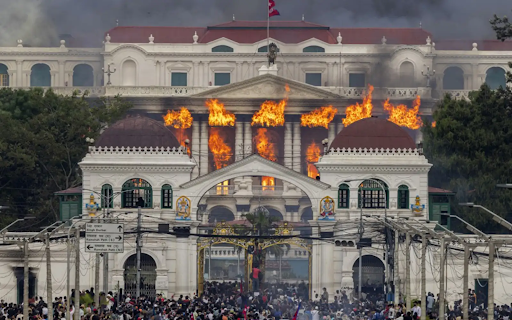
In a move that will be studied by political scientists for years, Nepal’s government turned a tool of communication into a symbol of oppression, effectively declaring war on its own youth. The ban on social media was not just a policy—it was the catalyst that transformed simmering public discontent into open, violent rebellion on the streets.
The battlefield was prepared long before the first stone was thrown. The nation was grappling with a deep-rooted economic malaise, with one in five young people unable to find work. This created an army of frustrated citizens with little faith in the future. Their anger was laser-focused on a government they viewed as hopelessly corrupt and self-serving, fostering a climate of extreme distrust.
The flaunted wealth of the political elite, contrasted with the public’s hardship, further fueled this rage. It created a clear narrative of a parasitic ruling class, disconnected from the reality of the people. The social and political atmosphere was thick with resentment, waiting for a single event to ignite it.
The social media ban was that event. It was interpreted as a final act of contempt by the government—an attempt to render the youth not only jobless but also voiceless. This singular act of censorship unified the discontented, providing a clear cause to rally around. The violent fallout demonstrates that when a government tries to silence dissent instead of addressing its causes, it often amplifies it into a roar.