
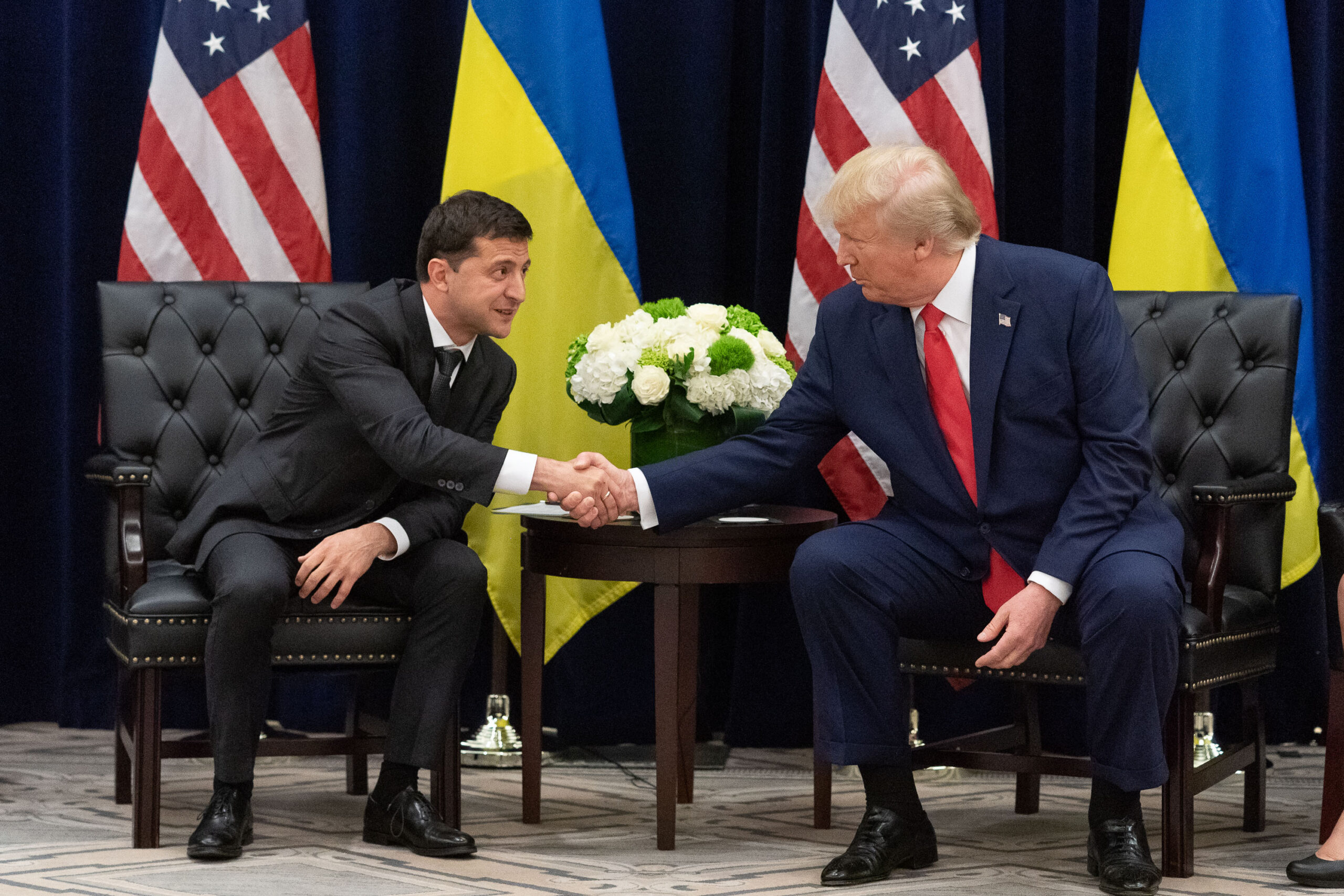
The lead-up to a potential Ukraine peace summit has become a war of words, with a confident and assertive White House issuing bold declarations that contrast sharply with the cautious and non-committal language emanating from the Kremlin. This rhetorical battle highlights the differing strategies of the two global powers.
On one side, the White House is speaking in exclamation points. Press Secretary Karoline Leavitt’s declarations that Putin “has” agreed to a meeting within two weeks are designed to project control and create an unstoppable momentum. President Trump’s own comments, while acknowledging some uncertainty, have leaned towards optimism.
On the other side, the Kremlin is speaking in ellipses. Foreign Minister Sergei Lavrov’s statements about the need for “utmost thoroughness” are open-ended and deliberately vague. This approach preserves Russia’s options, avoids any firm commitments, and allows Moscow to dictate its own terms and timing.
This war of words is as much a part of the negotiation as any formal talks. The U.S. is trying to define the terms of engagement through public pronouncements, while Russia is using diplomatic language to resist being boxed in. The outcome of this rhetorical clash will likely precede any actual handshake between the leaders.