
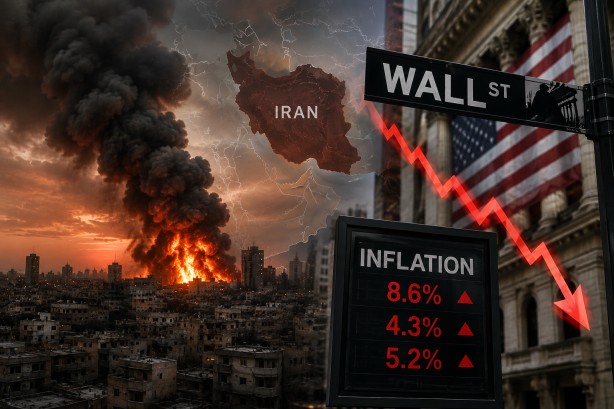
Amid ongoing conflict, the Iran war is exerting new inflationary pressures on the United States by elevating energy costs and disrupting global supply chains. This situation raises concerns that increasing interest rates may pose a risk to Wall Street’s robust stock-market rally. The conflict’s most immediate effect has been felt around the Strait of Hormuz, a vital artery for global energy. Reduced oil flows have driven crude prices upward, causing gasoline and diesel costs to spike for American consumers, thereby contributing to rising inflation.
Although hopes for negotiations have led to a slight easing in oil prices, other inflationary factors persist. Escalating transportation expenses, disrupted supply lines, and rising costs for petroleum-based goods continue to push the prices of various products and services higher. The conflict’s impact extends beyond energy, potentially affecting agriculture and technology sectors as well. Disruptions in fertilizer supplies could lead to increased costs in food production, while shortages of helium, essential for semiconductor manufacturing, might inflate expenses in the chip industry.
The Federal Reserve is particularly concerned about persistent underlying inflation, which remains elevated even as energy prices show signs of cooling. If core inflation continues to stay high, it could restrict the central bank’s ability to lower interest rates and might even necessitate tighter monetary policies should price pressures escalate. This scenario poses additional challenges for businesses, especially within the technology and AI sectors, where significant investments are being made in data centers, chips, and infrastructure. Higher borrowing costs could slow down these investments, putting pressure on the valuations of AI stocks.
AI-related companies have been pivotal in driving the US stock-market rally, and any slowdown in AI investments or a decline in the valuations of high-growth tech firms could impact major stock indexes. Investors are closely watching to determine whether the inflation driven by the conflict is a temporary issue or if it will permeate the broader economy. Persistent supply disruptions and sustained core inflation could lead to higher interest rates, creating a more challenging environment for Wall Street and potentially hindering the momentum of the current bull market.