
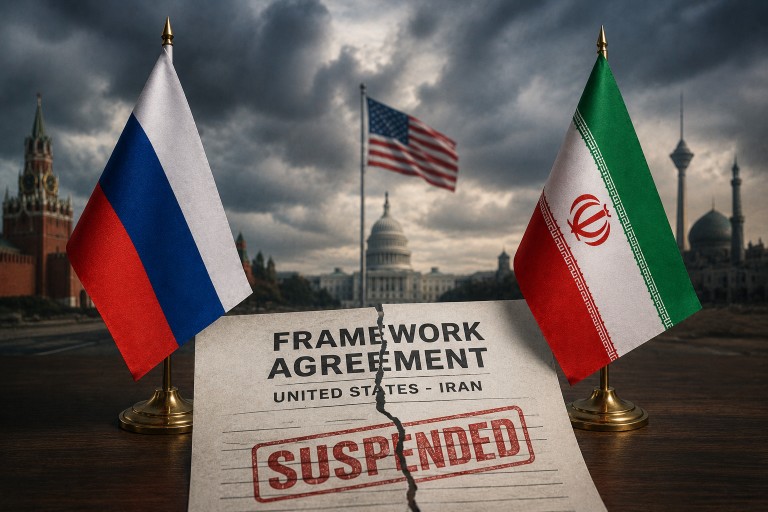
Iran has declared that its framework agreement with the United States is now void, attributing this decision to what it claims are breaches by Washington. This announcement comes amid reports of escalating regional tensions, as articulated by Deputy Foreign Minister Kazem Gharibabadi. He emphasized that Tehran is prioritizing its self-defense, and accused the United States of not honoring its obligations as outlined in the Islamabad declaration of intent.
The framework agreement, which was established in mid-June, aimed to pave the way for a permanent resolution to hostilities between Iran and the United States. It included a provision for negotiations on a comprehensive agreement to be initiated within 60 days. Additionally, the deal contained terms concerning the reopening of the crucial Strait of Hormuz.
Initially, a ceasefire had been in place since early April, providing a temporary respite from conflict. However, tensions resurfaced in early July, reigniting hostilities and hampering ongoing diplomatic efforts. This renewal of conflict has cast doubt on the viability of the agreement, with Iranian officials expressing that the latest developments have effectively nullified their commitment to the deal’s terms.
As the situation unfolds, Iran’s decision to suspend the agreement underscores the challenges facing diplomatic engagements in the region. Both countries had hoped the framework would serve as a foundation for lasting peace, but the resurgence of tensions has complicated efforts to reach a final accord. The breakdown of this agreement highlights the fragile nature of international diplomacy in a region fraught with longstanding issues.