
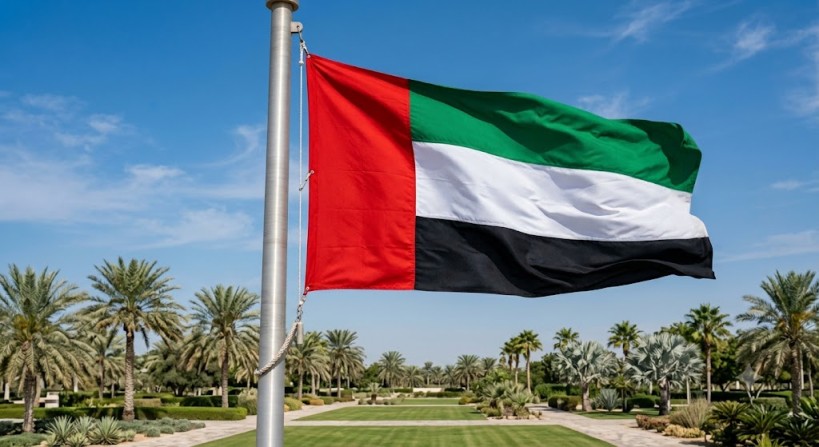
The United Arab Emirates has officially lifted its travel restrictions on Lebanon, once again permitting Emirati citizens to visit the country. This decision follows a temporary travel ban that was imposed due to regional security concerns. Before traveling, UAE citizens are required to register through the Twajudi emergency assistance service, as highlighted by the UAE Ministry of Foreign Affairs. The authorities have made it clear that without completing this registration process, citizens will not be able to depart from UAE border points.
The initial travel ban, which also impacted travel to other regions, was introduced in response to escalating regional tensions. During this period, Emiratis in Lebanon were advised to return to the UAE and seek support from local authorities. The recent decision to lift the ban has been positively received by Lebanese Prime Minister Nawaf Salam, who expressed that it signifies the robust relationship between the UAE and Lebanon, fostering further cooperation and strengthening interpersonal connections.
This development is part of broader efforts to enhance bilateral relations between the two countries. Recent dialogues between UAE and Lebanese leaders have centered on improving regional stability and security collaboration. The discussions underscore a mutual interest in bolstering ties and supporting peace initiatives in the region.
Furthermore, UAE President Sheikh Mohamed and Lebanese President Joseph Aoun have engaged in talks focused on promoting peace and fortifying the relationship between their nations. Their discussions are part of a larger context of regional diplomatic efforts, highlighted by a framework agreement recently signed by Lebanon and Israel aimed at paving the way toward peace. This agreement has been met with approval from regional partners, who view it as a positive step forward.